Occupational Therapy
Supporting Growth Through Everyday Play
Download Magazine

The Everyday Moments We Often Overlook:
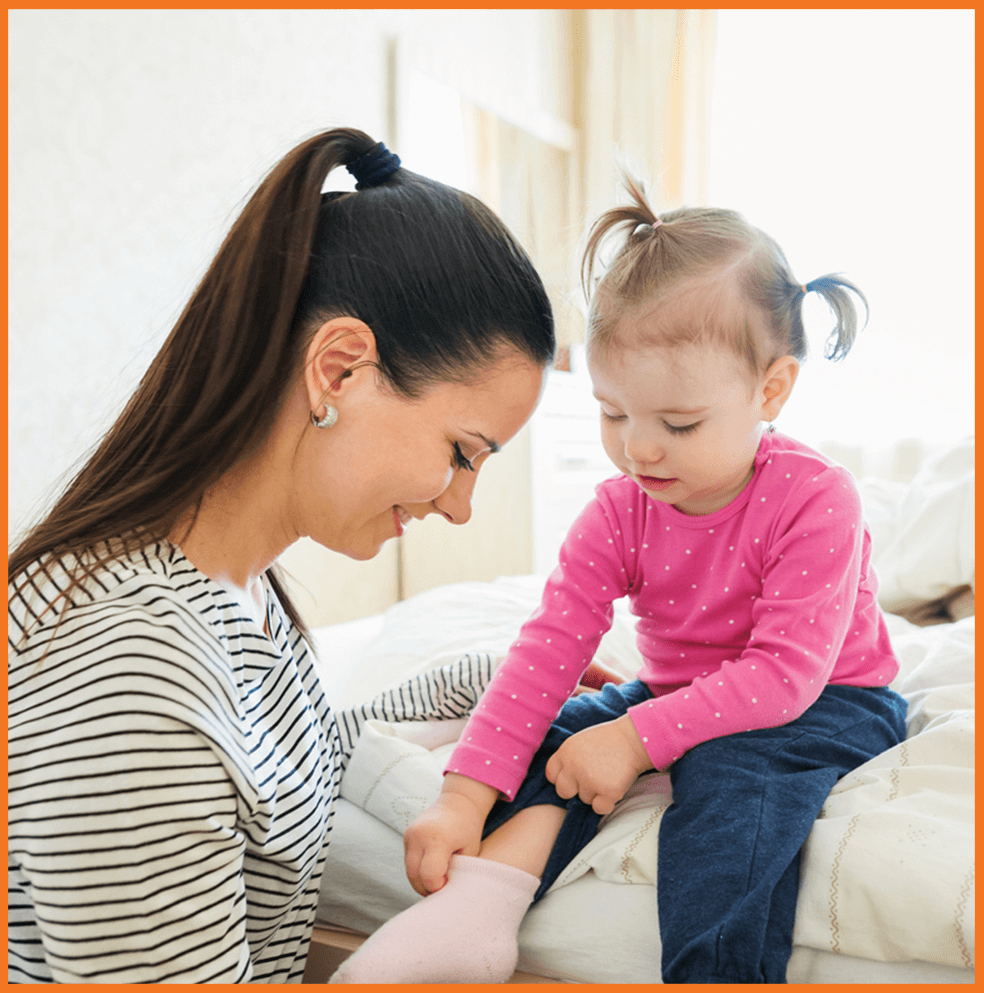
Getting dressed independently

Joining play at the park

Staying involved in activities

Trying new foods

Managing daily routines
These everyday moments depend on coordination, attention, sensory awareness, and confidence. With the right support and practice, children can participate more comfortably and independently.
That’s where Occupational Therapy comes in.
Occupational Therapy supports children in building the skills they use every day, often through play, movement, and meaningful activities that feel natural rather than forced.
 Did You Know?
- OT builds long-term independence.
- Play-based activities strengthen movement, focus, and problem solving.
- Sensory experiences support calmness and alertness.
- OT focuses on participation in real-life routines not isolated skills.
Parents FAQs

- What does Occupational Therapy focus on?
It supports daily living skills, movement, sensory regulation, and participation. - What does an OT session look like?
Sessions are playful and structured, using games, movement, and hands-on activities designed around each child’s needs. - How can parents support OT at home?
Simple routines, encouragement, and playful practice at home help reinforce skills learned during sessions.
Myth vs Reality
Myth:
OT is only about handwriting
Reality:
OT supports everyday skills, from play and movement to self-care & focus
Myth:
Therapy always looks structured
Reality:
OT often looks like play, with clear purpose behind each activity
Myth:
All children need the same approach
Reality:
OT is personalized, it adapts to each child’s strengths and needs
Activities to Try at Home
Animal Walks:
Activity- Bear walk, frog jumps, crab crawl.
Benefit- Builds strength, coordination, and body awareness.

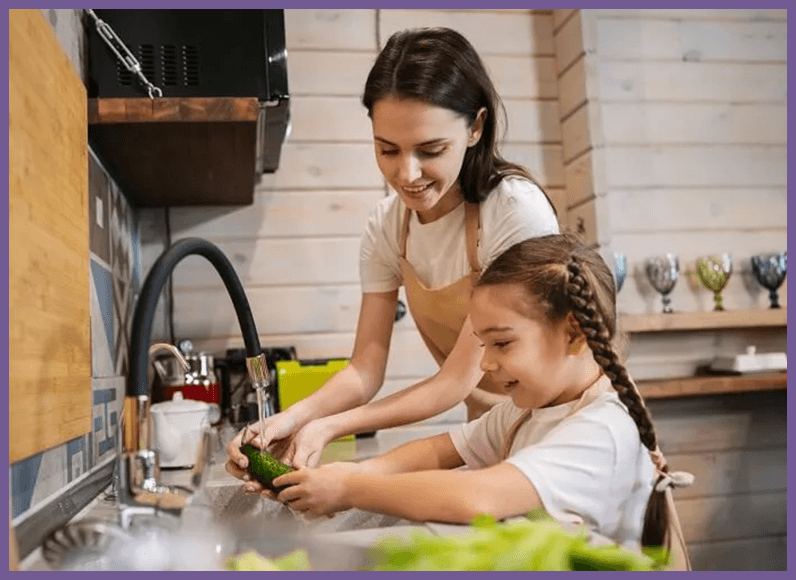
Kitchen Helper:
Activity- Stirring, pouring, kneading dough.
Benefit- Supports hand strength and coordination.
Sensory Calm Corner:
Activity- Create a cozy space with cushions, soft toys, or books.
Benefit- Helps children pause, relax, and reset.
Occupational Therapy at LifeLab Kids: What Makes It Different

At LifeLab Kids, Occupational Therapy is:
- Personalized therapy plans based on each child’s needs.
- Play-based sessions designed around real-life goals.
- Sensory-friendly therapy environments.
- Focus on independence, confidence, and participation.
- Parent guidance for easy home practice.
- Collaborative support across therapy teams.
Client Story Spotlight

From Problem Feeder to Adventurous Eater
Meet Johnny, an 8-year-old who experienced long-standing food aversions that made mealtimes stressful and overwhelming. Certain textures cause anxiety, often leading to refusal and discomfort around food.
How OT Helped:
- Play-based oral motor activities
- Sensory exploration with food textures
- Tools like bubble blowing and NUK brush
- Gradual exposure with no pressure
The Progress:
- Added 5–6 new foods
- Improved chewing and swallowing
- Reduced gagging and aversion
- Mealtimes became enjoyable
Parent Share: “Johnny is eating foods consistently without gagging and is exploring new foods. Mealtimes have become enjoyable for all.”
A Gentle Reminder
It is about supporting how they participate, explore, and grow in everyday life.
At LifeLab Kids, we walk alongside children and families celebrating progress, honoring individuality, and growing together, one step at a time.
Visit Us
Experience the space and meet the team.
Talk to Our team
We’re happy to listen and guide.
Address: Oakland County
3178 Hilton Rd. Ferndale, MI 48220
Phone: 248-629-4600
Email: contactus@lifelabkids.org