AI & Child Development: What Every Parent Should Know
AI & Child Development
What Every Parent Should Know
Download Magazine

Why AI Matters
Over the years, technology has changed the way we live, learn, and connect with others, and artificial intelligence (AI) is becoming part of that change.
From learning tools that can adapt to your child's pace to visual schedules helping them break down activities into smaller steps, AI is opening up new possibilities for connected care.

As we begin to understand these tools, it is natural to have questions.

What Parents Should Know
Future Ready Families
Where AI Can Help :
- Generate ideas for everyday learning
- Reinforce therapy goals at home
- Support routines with visual schedules
- Sensory-friendly activities and resources
Where Professional Therapy Matters :
- Understanding reasons behind behavior
- Responding to subtle emotional changes
- Meeting needs in the moment
- Building skills through relationships
AI works best when it complements the care and guidance your child already receives.
AI Tool of the Month
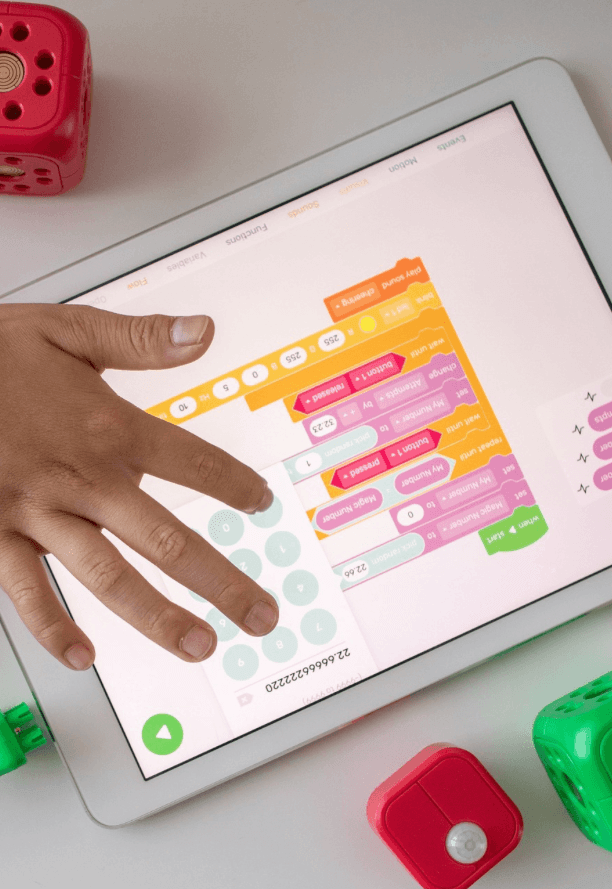
Otismo
Play-based learning app built for neurodiverse children
Best For
Supporting early communication skills with built-in AAC and reinforcing therapy goals through interactive home based activities.
Benefits
- Detailed progress tracking report
- Activities tailored to therapy goals
- Ad-free experience
- Builds a sense of independence
Parent Corner

The Challenge
Preparing for a doctor’s appointment, school or a change in routine can be hard.
Understanding what is next and expressing feelings or choices often needs more support.
What Helped :
Storyboard
Use AI storyboards with familiar pictures and characters to prepare for new experiences.
Visual Schedule
AI can create and update visual schedules for everyday routines, making transitions easier to follow.
Choice Cards
Personalized choice boards created through AI makes children simple ways to express their preferences.
Science Made Simple
Al is evolving quickly, and so is the research behind it. Here are three recent findings explained in simple terms for families.
Social Skill
Development
AI-driven games help autistic children practice social communication and interactive play skills.
Interactive activities with immediate feedback can make social practice feel more engaging.
AI-driven games can provide a gentle space to practice conversation, and turn taking at a child's own pace.
Supportive
Family
Environments
AI tools can be valuable when they support family routines alongside progress tracking.
A calm, supportive home environment can make everyday learning feel more manageable.
Choose AI tools that help with routines and visual schedules, placing less importance on apps that track milestones.
Personalised
Learning
Adaptive AI learning tools can adjust activities and pacing to better match a child's learning needs.
Learning experiences that feel manageable and personalized may help reduce uncertainty.
When using learning tools, make sure the pace, visual supports, and activities reflect your child's interests.
Try at Home
These simple printables are designed to encourage communication, build emotional awareness, and bring more structure to everyday routines at home.
Visual Routine Chart
Help your child understand what comes next by using a visual routine chart throughout the day.
Emotion Cards
Use these emotion cards to help your child recognise, name, and talk about feelings.
Conversation Prompts
These conversation prompts are a simple way to support connection through conversation.
Frequently Asked Questions
1. Can AI replace therapy?
No. AI can be a helpful resource for finding activity ideas, supporting communication, or practicing everyday skills, but it cannot understand your child the way a trained therapist can. It works best alongside the guidance your child already receives.
2. How much screen time is appropriate?
The quality of screen time matters just as much as the amount. Choose activities that encourage communication, creativity, or learning, and balance them with movement, play, and time with family and friends.
3. Which AI tools are worth exploring?
Look for tools that support your child’s communication, learning, routines, or emotional awareness. The best tools fit naturally into everyday life and can be used alongside the strategies recommended by your child’s therapists.
4. Is my child's information safe when using AI?
Before using any AI tool, take a few minutes to review its privacy settings and understand how information is collected and stored. Choosing trusted platforms and sharing only the information that is needed can help protect your child’s privacy.
The Future of Family Support
AI will continue to become part of the tools families use every day, whether that is supporting communication or helping parents discover new ways to encourage their child's development.
Looking Ahead
The goal is not for AI to take the place of human connection, but to become another resource that helps families feel more informed, supported, and confident as they help their children learn, grow, and thrive.