
ABA Therapy : Understanding What is Beneath the Behavior
ABA Therapy
Understanding What is Beneath the Behavior
Download Magazine

A Note to Parents

You don’t need to have all the answers to move forward.
What your child needs most is already happening: your attention, your patience, and your willingness to keep showing up.
Progress doesn’t begin when everything feels clear.
It begins in moments
when you wait a little longer
when you notice a small attempt
when you respond in a way that helps them feel understood
That’s where change starts.
Not all at once. But steadily.
And while you are doing all of this, you don’t have to figure it out on your own.
We’re here to walk beside you. Helping you see the moments that matter, and build on them, step by step.
Keep going.
It is working.

You don’t need to have all the answers to move forward.
What your child needs most is already happening: your attention, your patience, and your willingness to keep showing up.
Progress doesn’t begin when everything feels clear.
It begins in moments
when you wait a little longer
when you notice a small attempt
when you respond in a way that helps them feel understood
That’s where change starts.
Not all at once. But steadily.
And while you are doing all of this, you don’t have to figure it out on your own.
We’re here to walk beside you. Helping you see the moments that matter, and build on them, step by step.
Keep going.
It is working.
ABA Therapy:
Key Facts Every Parent Should Know
What ABA Is / What It Isn’t
ABA IS
ABA IS NOT
How ABA Fits into Everyday Life
ABA is most effective when it is a part of the child’s natural routine. It is applied in moments like:
These are not separate “teaching sessions.” They are everyday situations where skills are practiced, repeated, and strengthened.

How ABA Fits into Everyday Life
ABA is most effective when it is a part of the child’s natural routine. It is applied in moments like:
These are not separate “teaching sessions.” They are everyday situations where skills are practiced, repeated, and strengthened.
Quick Terms to Know
Play with Purpose:
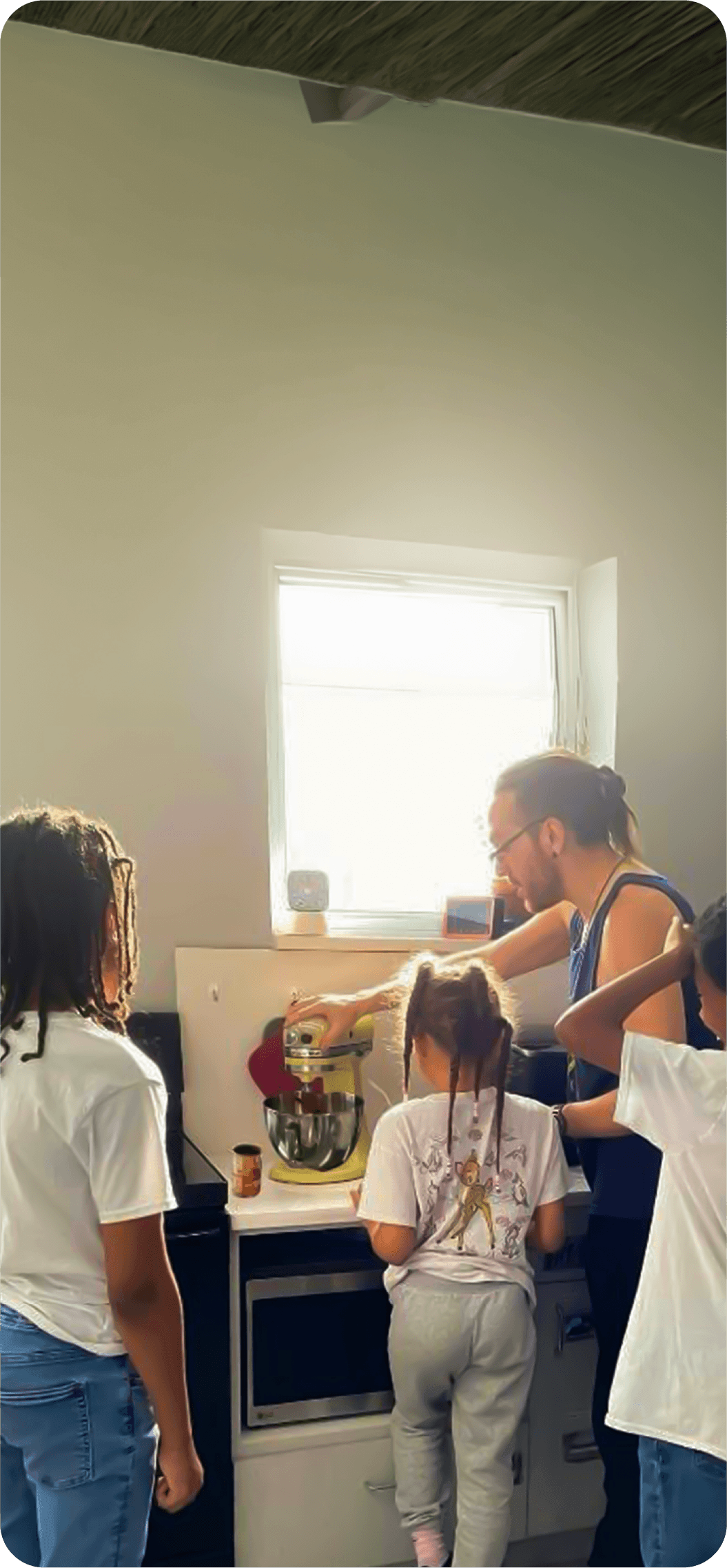
Simple Home Activity
First-Then Snack Time
A simple way to introduce structure using a familiar activity.
What You’ll Need
- A simple snack (fruit, or a no-bake mix)
- 2–3 clear, repeatable steps
How to Use It
First: we prepare
Then: we eat
What This Supports
Play with Purpose:
Simple Home Activity
First-Then Snack Time
A simple way to introduce structure using a familiar activity.
What You’ll Need
- A simple snack (fruit, or a no-bake mix)
- 2–3 clear, repeatable steps
How to Use It
First: we prepare
Then: we eat
What This Supports
Therapist Spotlight:
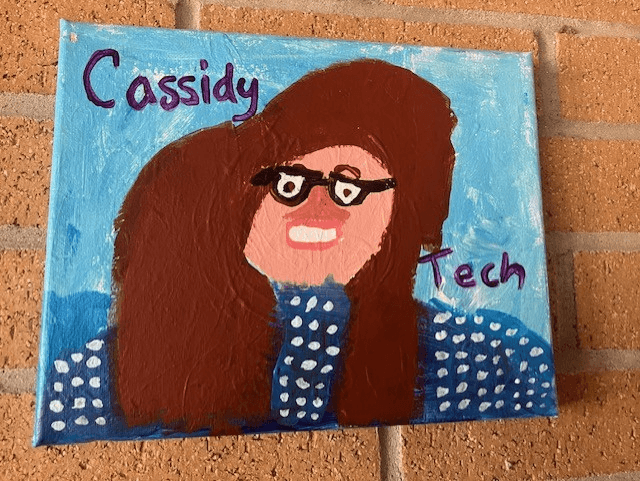
Cassidy
I have been working in the field of Applied Behavior Analysis for the past 10 years and am passionate about helping individuals with special needs build meaningful skills and reach their fullest potential. I entered this field because I strongly believe that all people deserve to be included, supported, and set up for success in their everyday lives, and I wanted to be part of that process. I truly love the work that I do.
I earned my Bachelor’s degree in Child and Family Development from Western Michigan University, with a double minor in Psychology and Communication. I later obtained my Master’s degree from Arizona State University in Special Education with an emphasis in Applied Behavior Analysis.
In my current role as a BCBA, I work closely with clients, families, and other clinical teams to develop individualized treatment plans, support skill acquisition and behavior reduction goals, and help clients build greater independence and confidence. I am dedicated to providing compassionate, evidence-based care and value being part of each client’s journey.
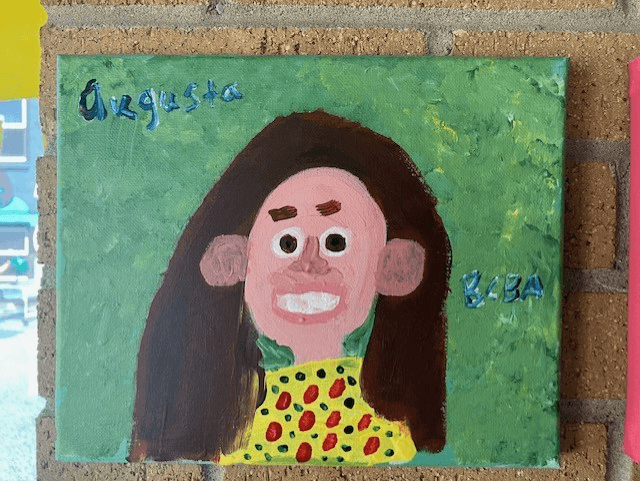
Augusta
I first began working in the field of ABA in 2019 as a behavior technician and immediately fell in love with the field. I earned my Bachelor’s degree in Psychology from Wayne State University with a minor in Public Health and my Masters degree in Applied Behavior Analysis from Ball State University. In 2024, I passed my board exam and began my current role as a BCBA. As a BCBA, I support my clients and their families through individualized evidence-based care by developing treatment plans, providing training, support, and supervision to behavior technicians, providing parent training, and collaborating with other disciplines at LifeLab. One of my favorite things about being a BCBA is watching my clients make meaningful progress and seeing all of the skills they have acquired in ABA generalize to other environments. One of the best parts about being a BCBA at LLK is getting to collaborate so frequently with all of the other disciplines within the same building to better support our clients 🙂
Parent Testimonial:
“My child started at 2 with almost no communication. Now, at 4, finished his ABA therapy and is in a mainstream class, and won’t stop talking! Best child-led, play-based ABA program. LLK staff involves parents, cares about the whole child, and is so professional. Above and beyond.”

At LifeLab Kids, we break learning into small, structured steps and reinforce them consistently across real-life situations. This helps children apply what they learn beyond sessions and respond more independently.
If you’re looking for the right support to help your child build these skills in a way that feels natural and consistent, we’re here to walk that journey with you.
Parent Testimonial:

“My child started at 2 with almost no communication. Now, at 4, finished his ABA therapy and is in a mainstream class, and won’t stop talking! Best child-led, play-based ABA program. LLK staff involves parents, cares about the whole child, and is so professional. Above and beyond.”

At LifeLab Kids, we break learning into small, structured steps and reinforce them consistently across real-life situations. This helps children apply what they learn beyond sessions and respond more independently.
If you’re looking for the right support to help your child build these skills in a way that feels natural and consistent, we’re here to walk that journey with you.