
Preparing Children for Real-World Responsibility
How pre-vocational therapy helps children develop practical skills, independence, and confidence for everyday life.
Download Journal
Foundations for Real-World Participation 
As children grow, everyday expectations gradually increase. School activities begin to involve multiple steps; routines become more structured, and children are expected to manage materials, follow instructions, and complete tasks more independently.
For neurodiverse children, these abilities may take additional time, guidance, and practice to develop comfortably.
So how do children begin to manage these responsibilities with confidence?

Often, it happens through guided experiences where they learn how to approach tasks step-by-step, stay engaged with activities, and complete them from beginning to end.
Pre-vocational therapy focuses on strengthening these early responsibility and participation skills through structured activities and real-world learning experiences.
How Parents Often Notice These Skills at Home
Children respond to learning environments in different ways. Many parents notice that their child participates more comfortably when activities are clear, predictable, and supported with guidance.
At home or school, parents might observe patterns such as:
- A child engages more easily when an activity follows a clear sequence
- Instructions being easier to follow when shared one step at a time
- Familiar environments help the child stay more comfortable during tasks
- Gentle reminders help children remain focused during longer activities
Common Myths About Pre-Vocational Skills 
Pre-Vocational Therapy at LifeLab Kids 
- Real-world task activities
- Individualized Progression
- Collaborative therapy support
- Structured Environments
This approach helps children develop practical abilities that support both everyday life and future opportunities.
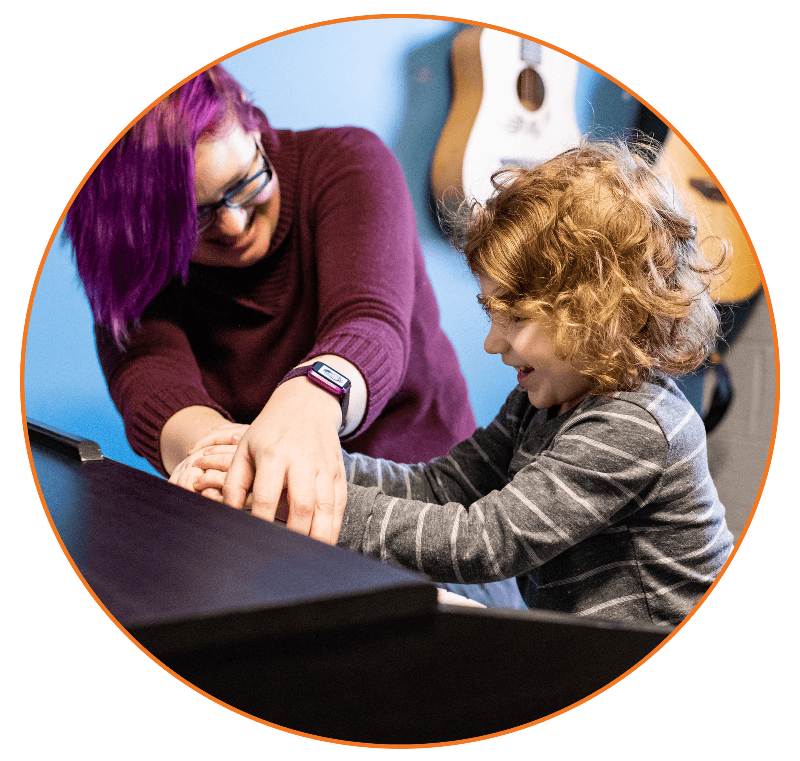
Therapist Spotlight:

Erin
Parent Questions Answered 
1) When should children start developing pre-vocational skills?
These skills often begin developing during the middle-school years when children start taking on greater responsibilities and preparing for more independent roles.
2) How can parents usually see progress?
Parents often notice improvements in task completion, following instructions, organization, and confidence when children are asked to take responsibility at home or school.
A Step Toward the Future 
At LifeLab Kids, our therapists create supportive environments where children can explore these experiences, practice real-world skills, and build confidence through structured participation.