
Introduction
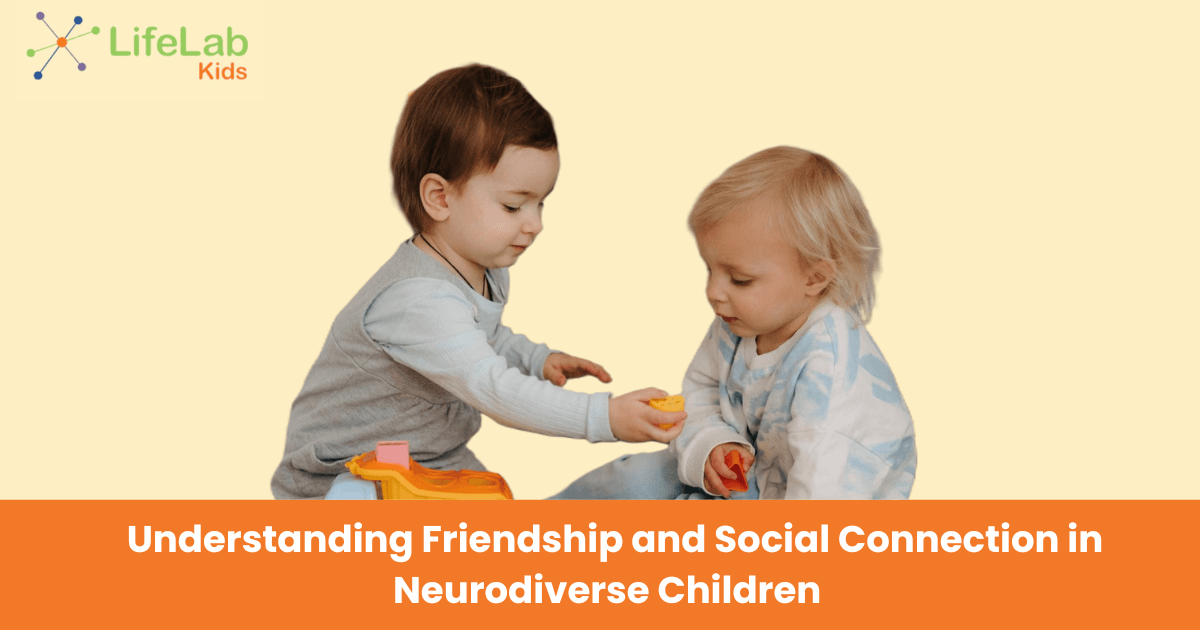
Every child wants to feel included. Having someone they look forward to spending time with and feel comfortable being themselves around can positively impact their confidence and emotional well-being. For neurodiverse children, friendship and the way they express their need for connection may look different. Some may prefer more lively conversation, whereas others are comfortable with a quieter companionship. Both ways of interacting are meaningful in their own way.
Sometimes, opening up to new experiences might take a little longer, and that is okay. Like any other skill, children learn to grow social connections from repeated opportunities to interact with others, share their interests, and spend time developing these relationships. Progress often happens one interaction at a time.
How Neurodiverse Children May Experience Friendship
Social interactions involve understanding cues like noticing others’ facial expressions, waiting for when it feels appropriate to join in, and figuring out what is expected of them or the norm in a group setting. For some neurodiverse children, this could mean that they simply need more time to process these situations.
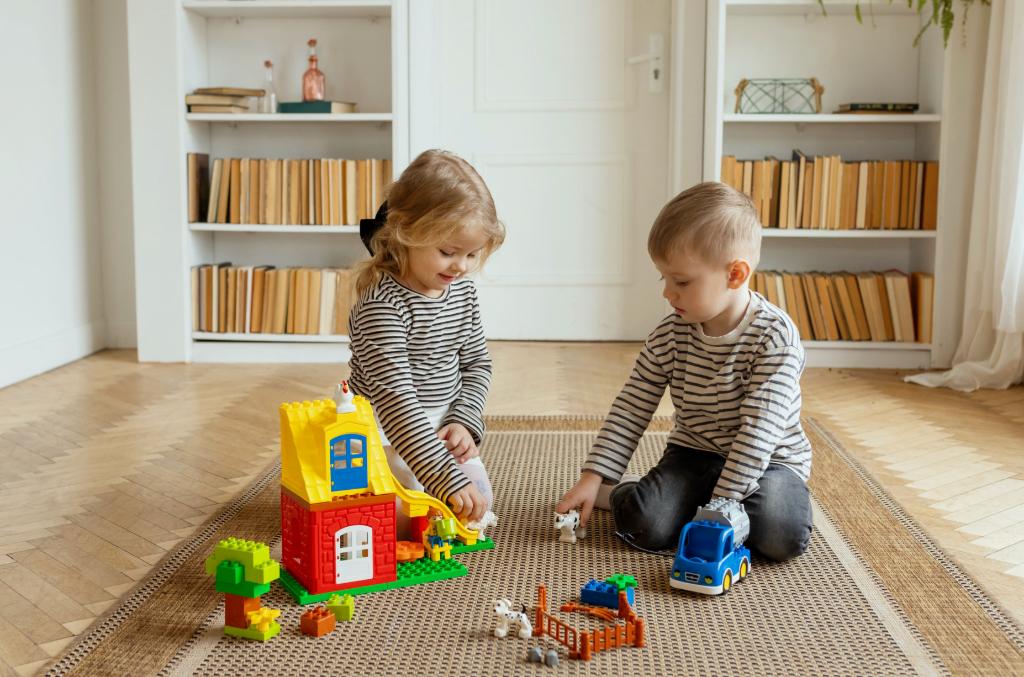
However, it is important to understand that how your child interacts in these environments is not a complete reflection of whether they want friendships. They may not frequently speak in group settings or initiate conversations with peers but might still enjoy being around them. Some neurodiverse children may prefer more lively conversation, whereas others are comfortable with quieter moments simply in the presence of someone they trust.
Subtle expressions of wanting connection may look like:
- Choosing to sit with the same child in activities or looking forward to seeing them
- Sharing favorite toys or special interests, like a particular game or topic
- Observing how others are playing before joining in
- Following the same child from one activity to another
- A smile, eye contact, and modeling another child’s actions
Building Opportunities for Meaningful Connection
A good place to begin is to notice what activities your child already enjoys, whether it is drawing, playing a particular game, or listening to a favorite song. These interests create opportunities to connect with other kids through activities that they are already familiar with. Structured activities related to their interests, like finishing a puzzle together, making a painting together, or turn-taking activities like board games, can naturally let them connect with their peers in ways that are comfortable to them.
That comfort usually grows with familiarity, like inviting over a classmate to play with, attending the same activities as them, or playing in the same park. These are repeated opportunities to build relationships with familiar faces.
Supporting Friendships at Home
Everyday interactions at home, playtime, or while driving them to school can provide ways to bring up conversations that can help build their confidence:
- Have conversations about friendship:
Ask simple questions like “Who did you spend time with today?” or “What did you enjoy doing together?” These questions encourage children to express their feelings about social interactions throughout their day and build on them by sharing them.
- Practice social skills during play:
During playtime, role-playing common situations like asking “Can I play too?”, or “Would you like to join me?”, how to respond if a child says no, asking to share, and thanking someone for sharing can help them build confidence in similar situations.
- Prepare for upcoming social experiences:
Before an upcoming birthday party, playdate, group play, talk to your child about what to expect, who they might see, and recommend an activity they might share with another child. This makes the situation more predictable and can help them be more prepared.
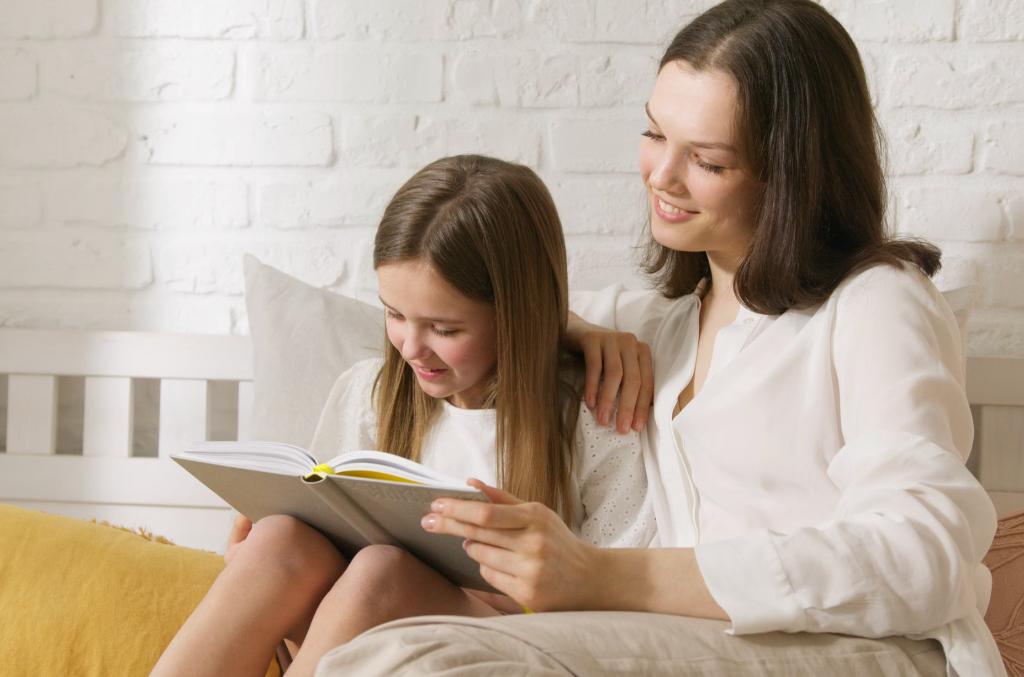
- Read stories about friendship:
Pick up books, podcasts, or videos about friendships, then talk about how the characters began their friendship, what they worked on together, and the ways they helped each other. These stories can be a gentle way for a child to learn about how friendships grow.
A Sense of Belonging Matters Too
Friendship is only a part of feeling connected; belonging matters too. Belonging is the feeling of knowing that there is a place where you are welcome, included, and appreciated for who you are. This sense of acceptance makes it easier to participate, share, and truly enjoy being around others.
At LifeLab Kids, we believe that a child learns best in environments they feel like they belong in. We create opportunities to build meaningful relationships through supportive environments, shared experiences, and communication while working alongside parents.
Conclusion
At times, friendships may not look the way you imagined, but they can be just as meaningful. Every conversation you have with your child at home, during playtime, and your encouragement will shape how your child learns what it means to connect with others.
You will see this in the moments your child gets excited to see a peer, eager to share stories about someone they shared activities with today and asks if they can be invited over. These moments are gentle reminders that what you have been working on with your child is helping them build a friendship where they feel accepted and happy to be themselves.