

Introduction
Children are constantly learning and reacting to the environment around them. Your child may feel excited to play with their favorite toy, feel unsettled when a routine changes, or need some time to adjust when moving from one activity to another. They may also feel worried when something is unfamiliar or find it challenging to become comfortable with a new experience. These moments are a natural part of their emotional development.
For neurodiverse children, sensory needs, communication, attention, or the way they process situations shape how they experience and express what they are feeling. They may find comfort in these moments through movement, music, a familiar activity, or spending time with someone they trust. Recognizing what brings your child comfort can help create opportunities for them to understand and express their emotions in ways that feel natural to them.
What Emotional Regulation Looks Like in Everyday Life
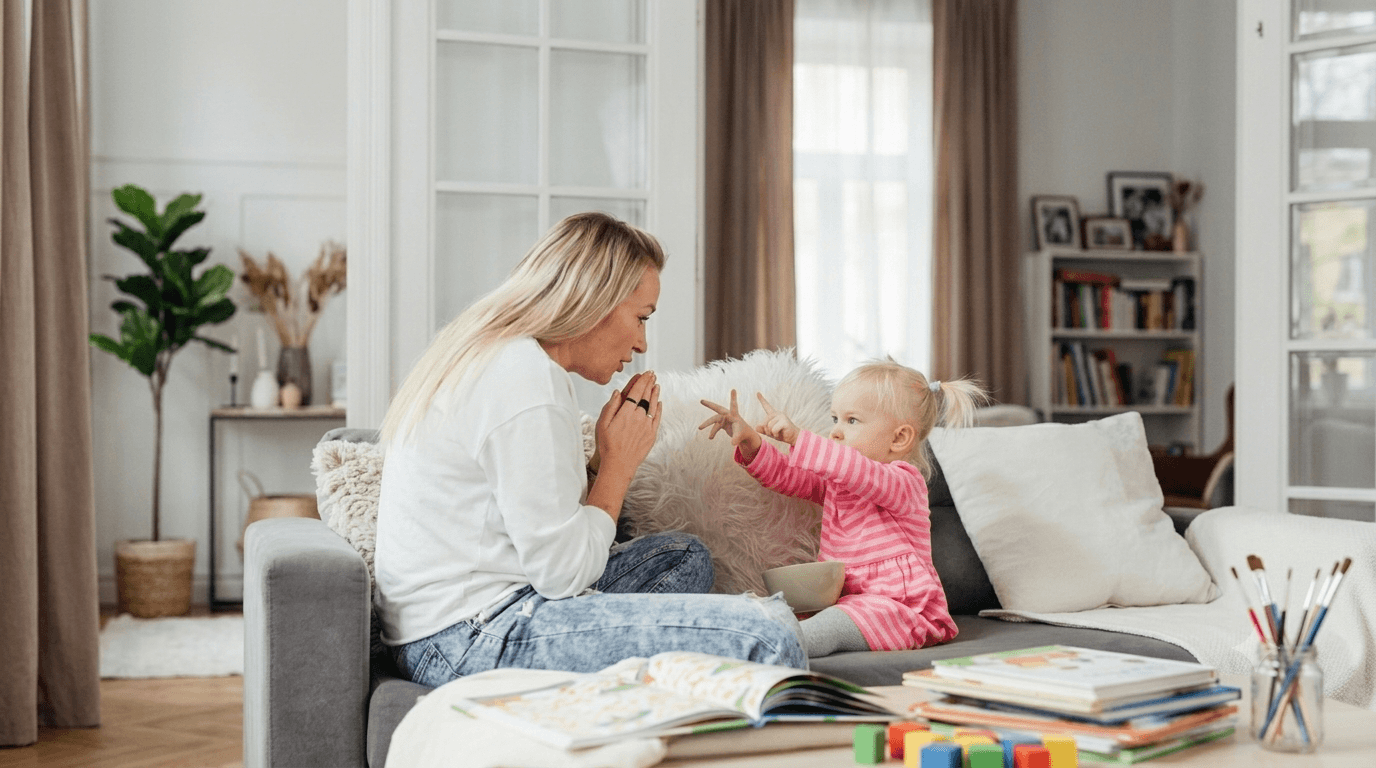
Your child may walk around while telling you about their day, repeat a familiar movement while listening to you, or pause before moving from one activity to the next. These moments can show how your child is finding ways to stay calm while continuing to take part in everyday experiences.
You may notice this in moments like:
- Talking through what they are doing while playing or completing a task
- Looking toward a parent or trusted adult when they need reassurance
- Continuing with an activity while humming, tapping, or quietly repeating a familiar sound
- Using a sensory tool while completing a puzzle or activity
- Staying close to a trusted adult while trying something new
The goal is not for your child to appear quiet, calm, or still. What matters is that they feel comfortable enough to communicate, participate, connect with others, and enjoy what is happening around them. A child who is moving while talking, using a sensory tool, or engaging in a familiar movement can still be fully involved.
Understanding What Your Child May Be Communicating
Sometimes, looking for the reason behind why a child is reacting in a certain way can help us understand what they are experiencing better. Leaving a task when it feels challenging or asking the same question several times can each tell us something about what they may need in that moment. A child may be looking for reassurance, trying to understand what comes next, or showing that they need support with something that feels challenging.
Emotional responses can also be another way for a child to communicate for children who find it hard to put it into words. They may not be able to say, “I do not understand”, but they may push away the activity, similarly when they cannot explain “That sound feels uncomfortable,” but they may cover their ears or move away. They may not say, “I want to know what happens next,” but may repeat the same questions about a new routine. These moments can give a better understanding of what your child may need, even when they are communicating without words.
Building Emotional Regulation Through Everyday Moments
Reflecting on and understanding emotions can grow naturally with conversations you have with your child throughout your day. Play, mealtime, getting ready for the day, and quiet time together can all create opportunities to explore feelings, communicate preferences, make choices, and discover what feels comfortable.
Here are some ways to incorporate learning in everyday moments:
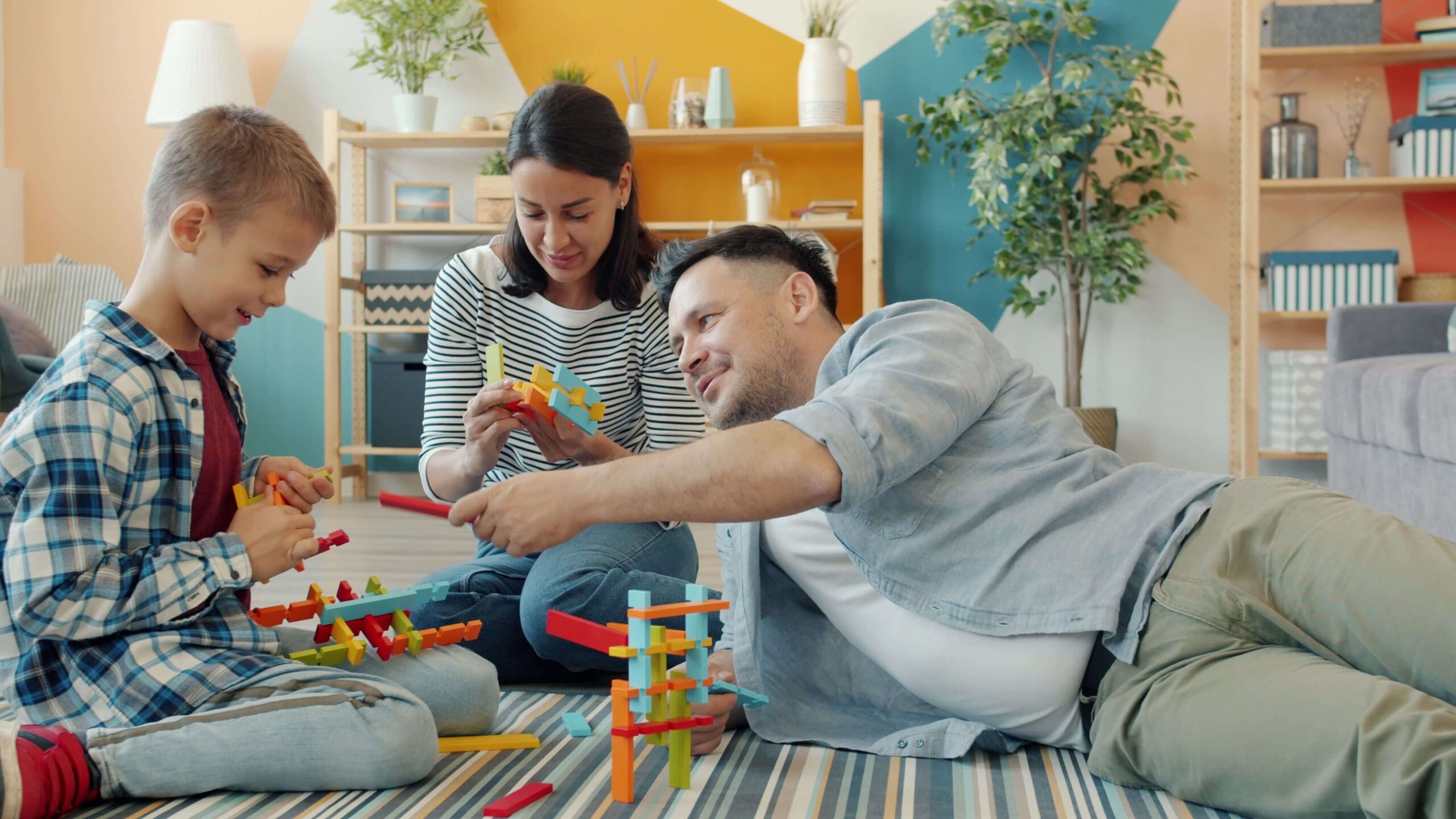
- During play: If a block tower falls, you might say, “It fell down. Let us try it together.” This shows your child that they can pause, reconnect, and try again.
- During meals: Give your child opportunities to communicate preferences with simple phrases such as “More please,” “Help me,” or “I am finished.”
- When something feels challenging: Stay close and acknowledge what your child is experiencing. “You are working hard on this. We can take our time.”
- When offering choices: Give simple options such as, “Would you like to put your shoes on first or choose your bag first?” This allows your child to participate in what happens next.
- During calm moments: Talk about emotions through books, songs, or everyday experiences. “She is getting ready to go to the park. She looks excited.”
- Throughout the day: When your child communicates a preference, asks for something, or shows you what they need, respond to those moments and give them space to continue communicating.
Helping Children Develop Emotional Awareness Over Time
Emotional regulation develops gradually as children become more aware of their emotions, recognize their needs and learn ways to effectively communicate them. One important part of this process is modeling. When trusted adults or parents calmly name what they are feeling and show how to communicate based on needs, children have opportunities to see these skills in everyday moments. With repeated experiences, children can begin to understand and use these skills in ways that work for them.
This progress may look like:
- They start recognizing familiar feelings, such as knowing when they are becoming worried, excited, or ready for a break.
- They begin using a familiar way to feel comfortable, such as asking for a pause or moving to a quieter space, with less adult support.
- They start communicating what they need before moving away from an activity or becoming overwhelmed.
- They begin choosing between options that help them feel comfortable, such as deciding whether they want to sit quietly or do a familiar activity.
- They begin recognizing when they need someone they trust and communicating that they would like support.
At LifeLab Kids, our therapists take time to understand each child’s communication, sensory needs, daily routines, and the situations where they may need more support. We then work with children through meaningful activities and interactions to practice recognizing emotions, expressing needs, making choices, and participating in daily routines. For families, this can bring a clearer understanding of their child’s needs and greater confidence in knowing how to support them through different situations.
Conclusion
The way children understand and express themselves grows from the connections they have with the people who care for them. As a parent, there is no perfect strategy or response. Being there to listen, understand, offer comfort and giving them the support to communicate what they are feeling can make a meaningful difference. Sometimes, progress is simply seeing your child find a little more ease in moments they needed extra help in, or finding a new way to show you what they need.