

“The smallest milestones often carry the biggest meaning.”
As a parent of a child with autism, each day brings a different lesson in patience and love. While the world just notices visible progress like learning to tie shoelaces or say a new word, a parent sees the daily effort, quiet determination, and heartfelt wins behind each achievement.
Every child on the autism spectrum is different; some are expressive, while others may prefer visual communication. But despite the diversity, the common thread that a parent faces is with daily routine, which is different from a neurotypical family.
Daily routine tasks like brushing teeth or getting dressed may take longer, or the child might need some extra support, but with consistency and support from family they can perform the tasks. Communication also takes many forms; some use words, and others might use pictures or gestures, but every way of communicating with your child should be a joyful moment. With encouragement and playfulness, even daily tasks can become fun learning experiences. Turn brushing teeth into a song, or use colorful visuals to guide your child step-by-step. Clear, simple instructions paired with warmth and praise can make all the difference.
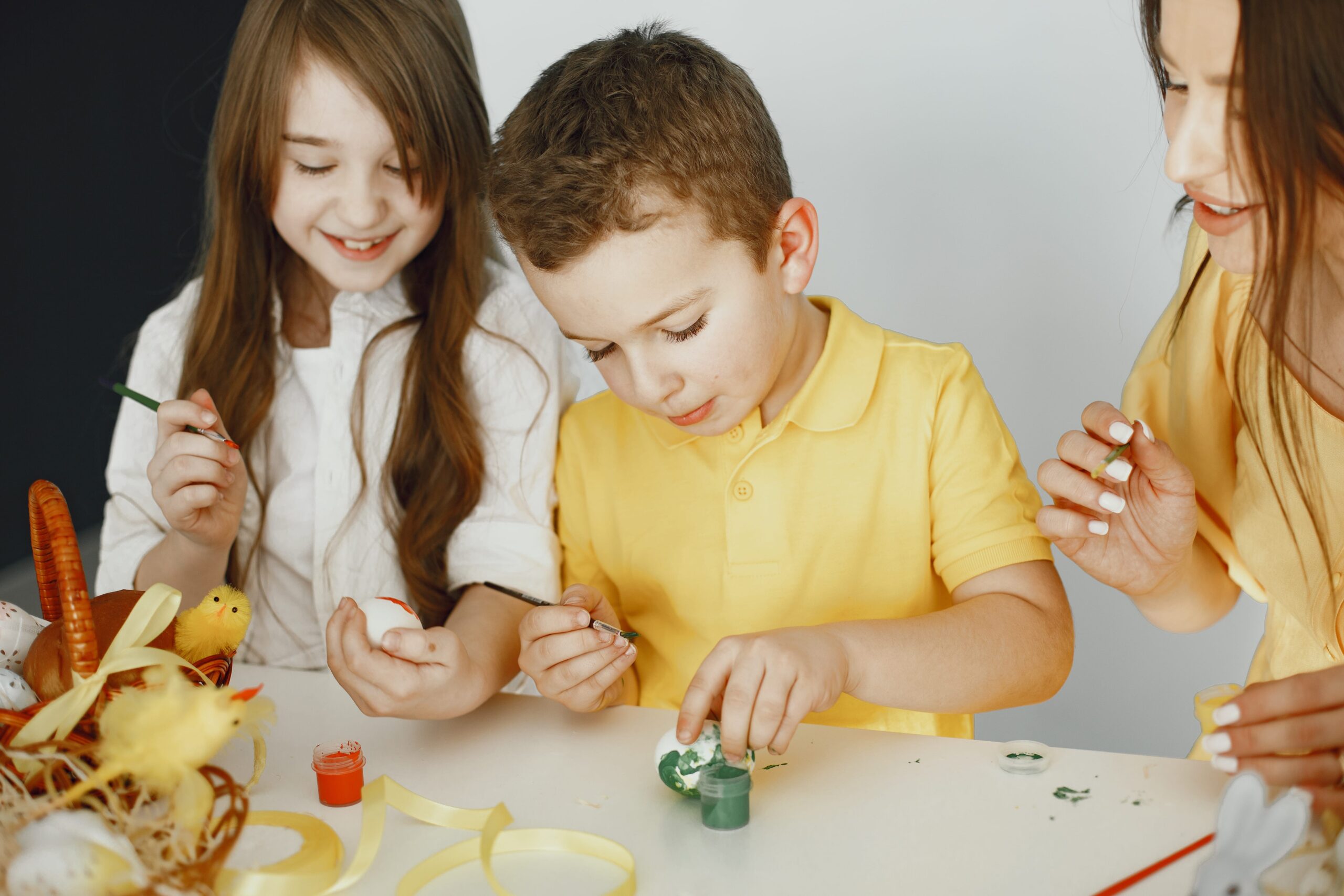
Benefits Of Lifeskill for a child with Autism:
- Promotes Independence:
When a child learns to manage everyday tasks, they feel confident. With the help of lifeskill programs a child discovers that they can take care of themselves, whether it’s dressing, eating, or managing time. - Builds Communication and Social Interaction:
Through structured activities and daily routines, children start expressing their own needs, following directions, and communicating with others. Life skill training incorporates communicating both verbally or non-verbally, which helps them connect better and collaborate in real-life situations. - Improve Emotional Regulation:
When a child is able to perform activities, it reduces their frustration and anxiety. Over time, the child manages emotions and transitions more smoothly between tasks. - Prepares for Real-World Participation:
Life skills are the basic foundation for participating in schools. From following safety rules to using money, these skills make it easier for children to fit into the world around them.
Teaching Lifeskills at Home:
As a parent, you can follow a three-step approach for your child.
- Assess the skill: A list of strengths and areas for development will help clarify the objectives and offer constructive feedback and motivation as your child continues to learn.
- Teach new skills in a supportive way: Working on new skills can be greatly helped by the use of visual aids such as charts and schedules.
- Practice these new skills: Remember that you need to make your child practice in real-world situations if you want them to master a new ability. This could include practicing money management skills at home with actual dollars and coins or by making them practice by going to a nearby store and making a purchase.
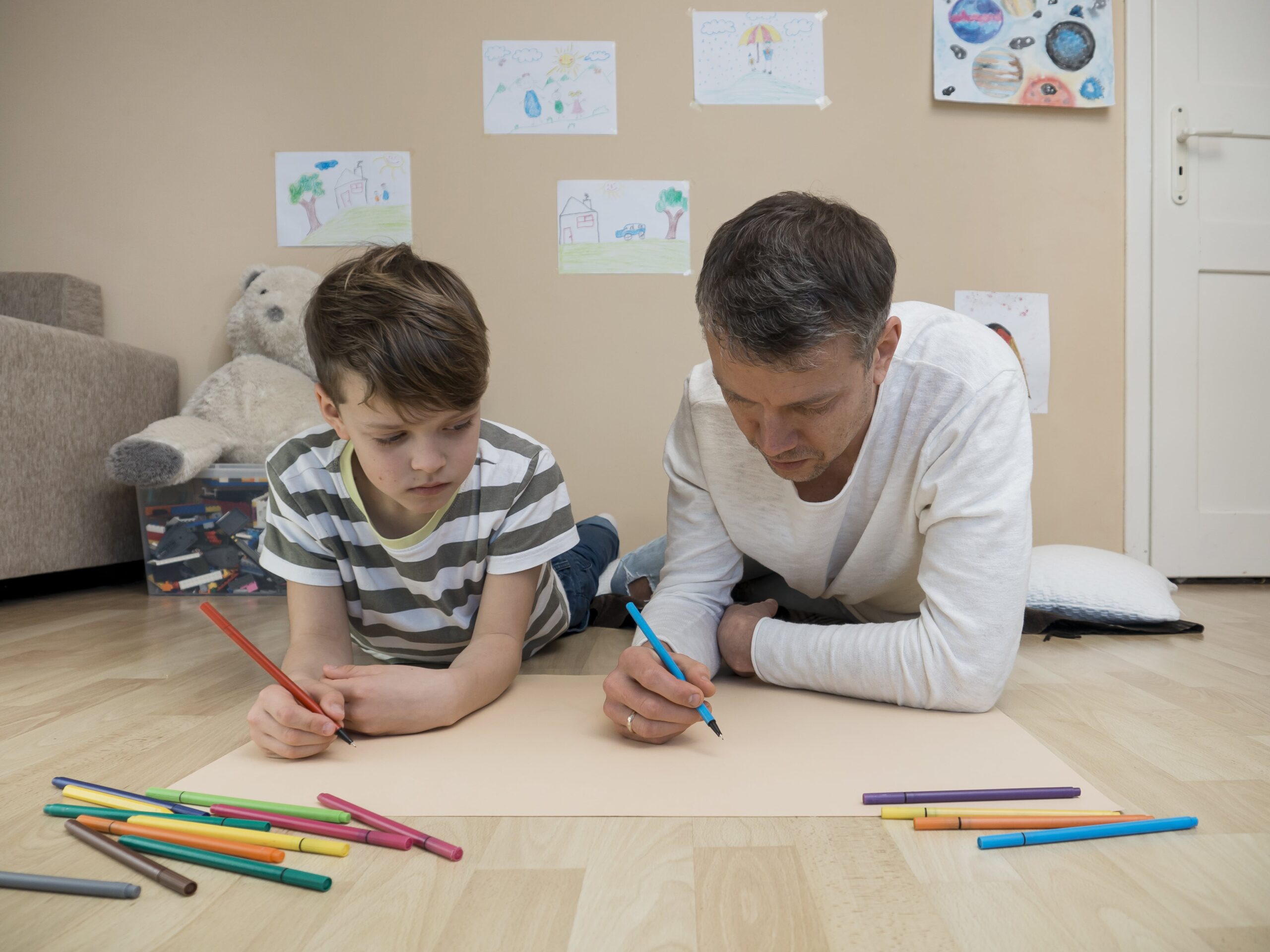
Ways to build your child’s independence:
- Work on self-care skills: In your child’s daily routine, include tasks like brushing teeth, combing hair, or dressing. At first, offer them support, then gradually step back as your child gains confidence. Many children with autism find comfort in their daily routine, and learning these tasks helps them reduce anxiety and build confidence.
- Work on household chores: Participating in household tasks helps children feel like valued members of the family. For children, household chores can build fine motor skills, strengthen attention, and offer a sense of structure. Breaking tasks into small steps helps them process and succeed, making chores a learning experience.
- Practice money skills: Handling money introduces math, decision-making, and social interaction all at once. For a child, practicing money skills improves functional independence and community engagement. Whether it’s identifying coins or completing a small purchase, these moments prepare them for real-world participation with growing confidence.
- Build leisure skills: Children with autism often have deep interests and talents. Encouraging leisure activities helps them discover joy, develop focus, and even build social bridges with peers.
Life skills are important in assisting children with autism to prepare for daily routines and become independent. Therapies at LifeLab Kids, including occupational therapy, assist in self-care activities such as dressing and hygiene, while speech therapy assists in developing communication skills to convey needs and socially interact. ABA therapy aids in learning and establishing routines using positive reinforcement. Feeding therapy enhances mealtime routines, and innovative therapies such as art, music, and recreation facilitate emotional regulation and recreation. Technology use and vocational training also prepare children for actual situations, facilitating long-term independence in practical and meaningful ways. We help children with developmental disabilities, including autism, by providing them with personalized therapeutic support that fosters holistic development. Our comprehensive life skills programs are designed to equip each child with the tools they need in their daily lives to live confidently and independently.