
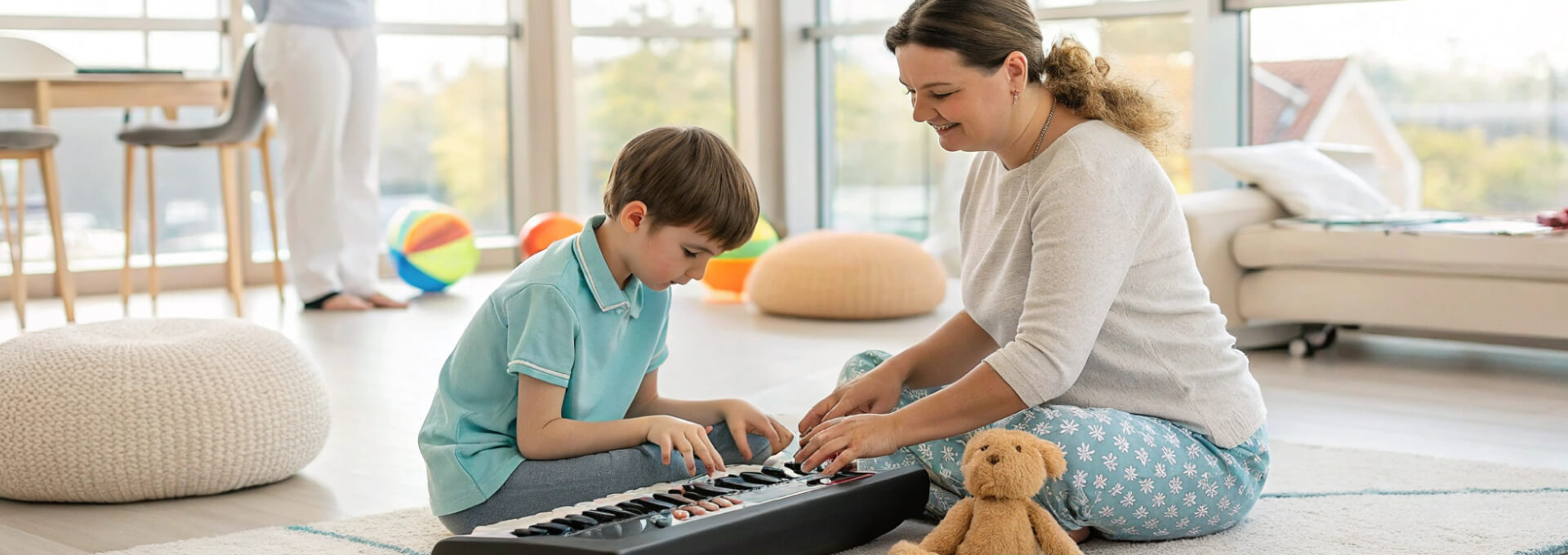
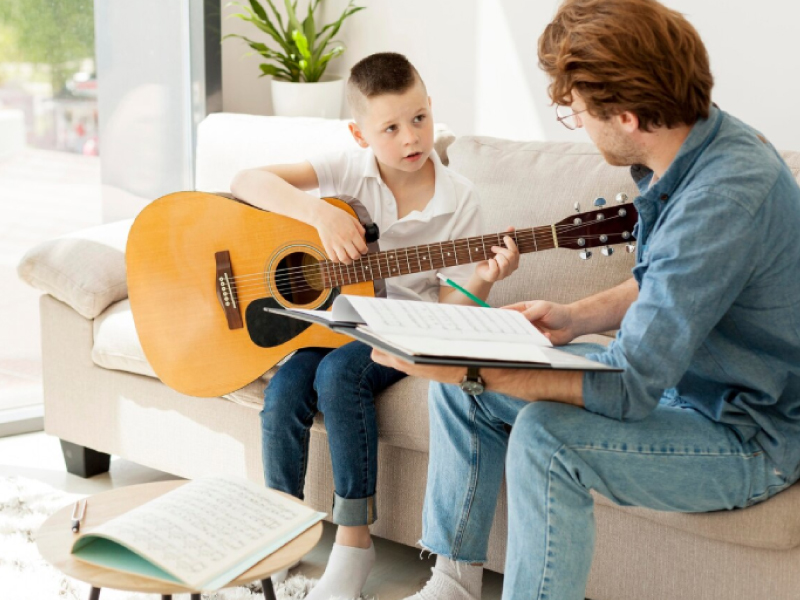
For neurodiverse children, communication may not always follow a traditional path. Spoken words may get delayed, limited, or may be difficult to express. With the help of rhythms, melodies, and gentle harmonies, a child may begin to connect, express themselves, and respond. This is the power of music therapy in ABA.
When integrated with structured behavioral strategies, music becomes more than just sound. It has become a language of progress which helps children to not only learn to communicate but also helps them find their voice.
Beyond Words: Understanding Communication in Autism
Communication is not just restricted to speech. It includes gestures, eye contact, expression, and even silence. For many neurodiverse children, traditional forms of communication might be challenging, that’s when music helps and it opens doors to expression.
Communication in autism through music starts with listening and responding. A child might tap to beat, match a tone, or just smile when their favourite melody is played. These steps are just first steps in building meaningful interactions.
How music enhances ABA sessions
In ABA programs, music becomes a background, it becomes an active part of how children learn, engage, and connect. When it is thoughtfully integrated, musical elements help in strengthening core ABA goals in a way that is naturally enjoyable.
Some illustrations are as below:
- During a request-based learning, a child might be motivated to sing or hum on a preferred item, making early communication less pressured.
- In a turn-taking activity, passing a shaker or a drum in-between therapists and the child helps in teaching reciprocity while maintaining a shared rhythm.
- When doing a vocal imitation, music offers a gentle entry point letting children echo sounds, or lyrics before progressing to spoken words.
These interactions support attention, engagement, and emotional regulation. It may happen that for a child, music taps into a comfort zone, helping them absorb new skills easily. Within ABA, it can lead to stronger participation and more progress over time.
The Journey to Finding Voice in Autism Therapy
Finding voice in autism therapy is not just about speech, it’s about being heard. It’s helping a child to express needs, feelings, preferences, and personality. Music becomes the way to that discovery.
Here’s how that journey can start:
- Non-Verbal Expression First: Before speech, a child might begin with clapping, humming, or rhythm-based interaction. These are the valuable forms of communication and recognizing them in therapy helps in building confidence and engagement.
- Vocal Play and Sound Exploration: Musical play inspires children to experiment with pitch, tone, and sound. They might mimic some parts of a song, participate in call-and-response games, or repeat sounds that support communication in autism through music.
- Building Language Through Lyrics: Songs that have clear, repetitive lyrics help children associate words with meanings. Over time, the child might sing along with key phrases or just respond to questions incorporated in the songs, and develop speech naturally within a familiar environment.
- Transition to Everyday Speech: When musical responses are strong, therapists can build skills in everyday communication. A child who sings might use a phrase outside of music time, it helps in bridging the gap between musical and verbal communication.
Why This Approach Matters
Traditional speech therapy is effective but sometimes children may require an alternative path first. Music therapy in ABA creates a flexible, and safe space to explore the voice in my different forms.
Families often say that music helped their child with:
- Speak for the first time
- Request something clearly
- Start an interaction with peers
- Use emotional expression without meltdowns
- Feel confident and connected during therapy
At LifeLab Kids, We Listen Differently
At LifeLab Kids, we believe that every child should be heard even before they speak. With the help of music, movement, art, and behavior-based therapies, we help neurodiverse kids find meaningful ways to express and connect with the world.
Whether a child is just starting their journey or is working towards specific communication goals, our team can support them in finding a voice in autism therapy, with creativity, compassion, and care.
Let’s help your child express who they are in a natural way.